04 June 2026
EU Finance ¦ An Update on Sanctions
Why the pressure is hurting the war machine
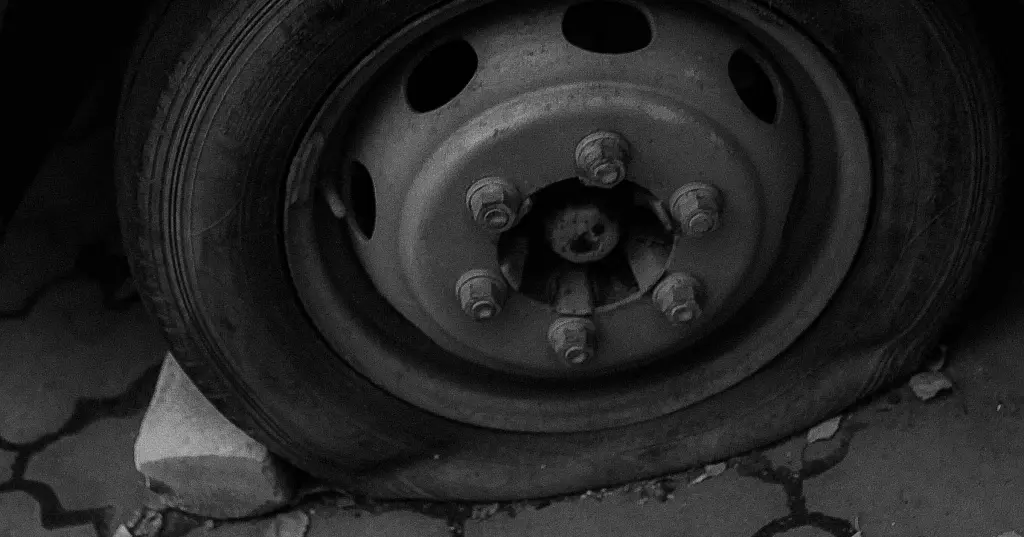
Sanctions against Russia are not designed to create an instant collapse. Their effect is slower, more cumulative, and often less visible at first glance. This is why the analogy of a punctured tyre is so useful. A blowout is immediate and dramatic. A puncture is different. The air leaks out gradually until the vehicle can no longer keep moving. That is a better description of how sanctions work against a war economy built on evasion, coercion, and state pressure.
Russia’s economy is now showing clear signs of strain. Public finances are under pressure, the civilian economy is weakening, and even the war economy is running into problems. Banks are burdened by bad loans. Oil revenues have been damaged by lower prices and by Ukrainian attacks on refineries and loading terminals. The result is not a sudden stop, but a steady loss of momentum.
The 20th sanctions package broadens the pressure
The latest EU sanctions package continues the same strategy, but with sharper tools. It includes additional listings in the energy sector, more vessels added to the shadow fleet sanctions list, tighter controls on tanker sales, and a ban on port infrastructure services for two Russian ports. It also introduces a ban on LNG terminal services and additional measures targeting Russian banks and third-country financial operators.
The package goes beyond Russia itself. It targets channels that help Moscow move money, goods, and technology through third countries. Kyrgyzstan, Laos, and Azerbaijan have all been drawn into the response because of their role in helping Russian entities move around restrictions. The EU has also expanded export bans, import restrictions, and dual-use controls. This is not a dramatic policy shift, but it is a wider and more disciplined application of the same logic – deny Russia access, raise its costs, and force its supply chains to become slower and more fragile.

The anti-circumvention tool has now been used
One of the most important developments is the first activation of the EU’s anti-circumvention tool. This matters because sanctions are only as strong as the enforcement behind them. If goods can simply be routed through a nearby country and then sent on to Russia, then the original restriction loses much of its force.
In this case, the EU acted against Kyrgyzstan after failing to obtain satisfactory guarantees that EU-origin battlefield goods would stop being transshipped to Russia. The concern focused in particular on sharp increases in radio products and CNC machines. These are exactly the kinds of items that can support military production. By banning exports of these goods to Kyrgyzstan until a solid control system is in place, the EU signaled that circumvention routes will not be tolerated.
This is important not only as a punishment, but as leverage. The existence of the tool has already strengthened discussions with other countries. Even when it is not used, it shapes behavior. When it is used, it shows that the EU is willing to move from warnings to action.
Circumvention is still a daily battle
Sanctions enforcement remains a constant contest. Russian actors and their partners continue to look for new routes, new fronts, and new intermediaries. When one structure is shut down, another often appears. That does not mean sanctions are failing. It means enforcement is working against active resistance.
The supply chains Russia now depends on are more complex, more expensive, and more fragile than before. Goods that once moved directly now have to pass through multiple jurisdictions. That complexity adds delay and cost. The estimate cited in the podcast was striking – Russian buyers may now be paying around 600% more for certain sanctioned goods than they did before the war. Even where the overall volume of purchases looks similar, the cost burden is much higher. That is exactly how pressure builds in a sanctions regime.
The shadow fleet is being hit hard
Russia’s shadow fleet has become one of the most visible symbols of sanctions evasion. These are old, often poorly maintained tankers used to transport sanctioned oil outside normal commercial channels. They rely on weak oversight, opaque ownership, uncertain insurance, and a willingness to operate at the edge of safety and legality.
The EU, together with the US and UK, has now sanctioned around 650 of these vessels. That has had a real impact. Sanctioned vessels cannot receive services in ports of the sanctioning jurisdictions, and the estimate given in the interview was that sanctioned ships can carry about 75% less than before. That is a major blow to the system.
The EU has also worked with flag states to prevent sanctioned ships from being re-registered, and it has pushed for better transparency around insurance. This matters because many of these vessels are not only used to evade sanctions, but are also a shipping risk. They are old, often underinsured, and may be operated by crews with weak training. That gives the EU an additional argument when dealing with third countries – even those that do not want to enforce sanctions for political reasons still have an interest in keeping dangerous shipping out of their waters.
Maritime services remain the next logical step
A fuller maritime services ban remains under discussion, but the timing has become sensitive because of energy market volatility. The conflict in the Gulf and the resulting disruption to oil and LNG shipping have pushed prices higher, making governments cautious about further measures that might be seen as adding pressure to energy markets.
Still, the direction is clear. If the aim is to weaken the shadow fleet further, cutting off maritime services is the next logical step. For now, it appears to be waiting for calmer conditions in global energy markets. But the policy intent is already in place.
Ukraine, sanctions, and the wider strategic picture
The broader picture matters. Sanctions are not operating in isolation. Ukraine continues to resist Russian aggression with remarkable resilience, and it is increasingly shaping the battlefield through its own technology and expertise. Its drone capabilities and air defense knowledge are now being shared with allies in Europe and elsewhere. That in itself weakens the Russian position, because it shows that Russian military pressure is producing strategic adaptation rather than submission.
The podcast also highlighted the connection between Russia and Iran. The two states are mutually supportive, with Russia providing intelligence and other assistance while Iran supplies drones and related capabilities. That cooperation is increasingly visible to countries outside the immediate conflict. As the consequences spread into the Gulf and the Baltics, more states are recognizing that this is not a distant European issue. It is part of a wider network of instability.
Why the case for sanctions still holds
Skeptics often argue that sanctions do not work because Russia has not stopped fighting. That is too narrow a test. Sanctions are meant to degrade the ability to fund war, slow down access to critical goods, and increase the cost of aggression. By that measure, the evidence is substantial.
Russia’s economy is under strain. Its war economy is cannibalizing the civilian economy. Its access to restricted goods is slower and more expensive. Its shadow fleet is facing tighter controls. Its banks are under pressure. Its circumvention networks are being mapped, exposed, and disrupted. None of this ends the war on its own, but all of it makes the war harder to sustain.
That is the point. Sanctions are not a magic solution. They are a pressure tool. Used consistently, and enforced with discipline, they reduce Russia’s ability to finance and sustain its war against Ukraine. The fact that the Kremlin continues to adapt does not disprove their effectiveness. It confirms that they matter.
The bottom line
The EU’s sanctions strategy is not about one dramatic strike. It is about sustained pressure, tighter controls, and the steady removal of options. Russia’s economy is still functioning, but it is functioning under growing strain. The costs of evasion are rising. The channels of support are narrowing. The shadow fleet is less effective. Circumvention is harder, slower, and more expensive.
That is what a punctured tyre looks like. It may keep moving for a while, but the air is leaking out.

EU Sanctions Helpdesk
 The EU Sanctions Helpdesk platform supports European operators in complying with European Union restrictive measures (also known as sanctions) imposed worldwide.
Aimed primarily at Small and Medium-sized Enterprises (SMEs), the Helpdesk offers resources and personalised help to companies performing sanctions due diligence checks.
The EU Sanctions Helpdesk platform supports European operators in complying with European Union restrictive measures (also known as sanctions) imposed worldwide.
Aimed primarily at Small and Medium-sized Enterprises (SMEs), the Helpdesk offers resources and personalised help to companies performing sanctions due diligence checks.